How to stop skin picking and/or hair pulling
The ABCs of Body-Focused Repetitive Behaviors
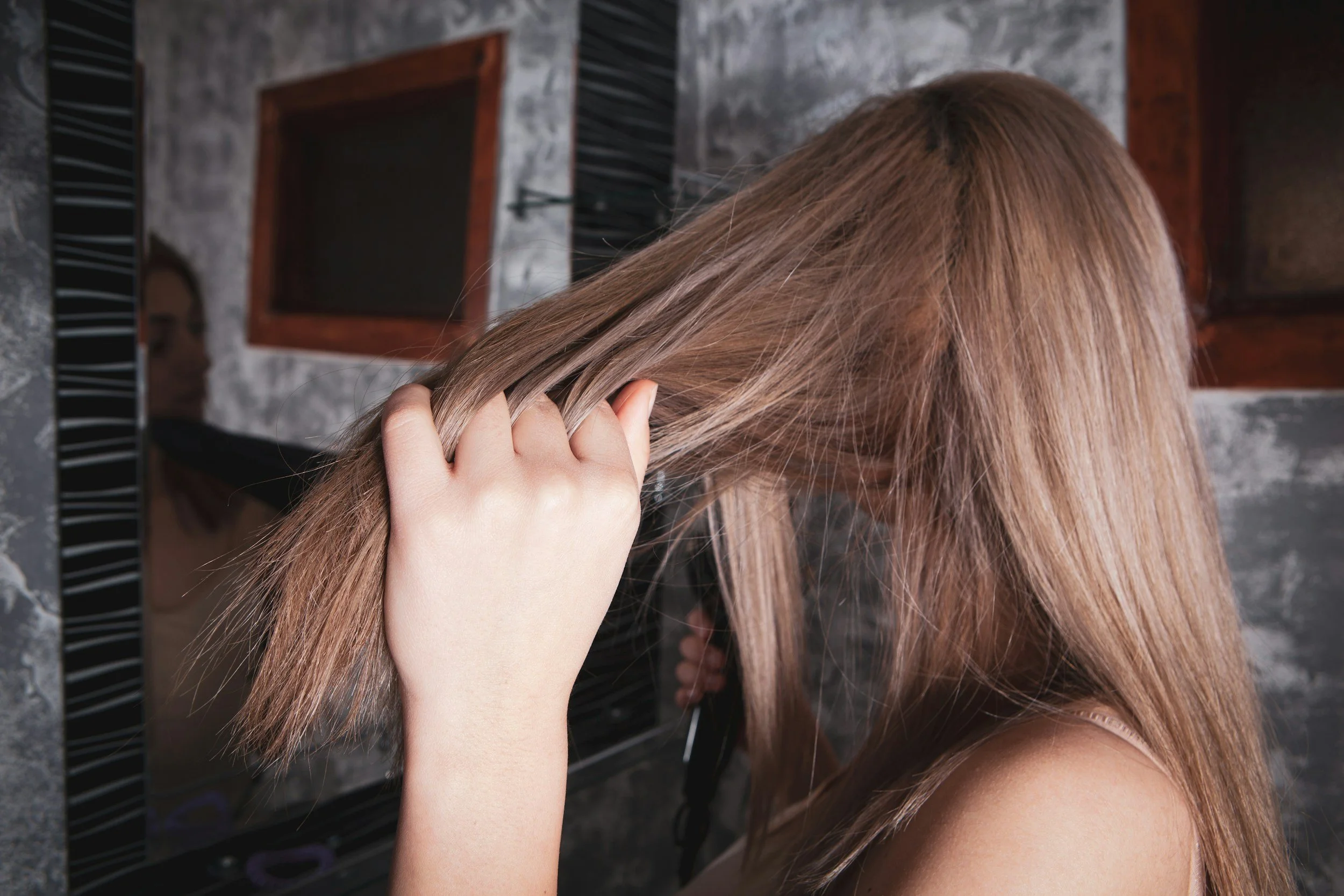
Do you struggle with any of the following behaviors to the point that they cause distress or interfere with your life? Have you tried to stop, but it feels out of your control?
Skin picking (fingers, scabs, blemishes on the face or other areas of the body)
Hair pulling (scalp, pubic region, facial hair, eyebrows, etc.)
Nail biting
Cheek biting
If so, you may be struggling with one or more Body-Focused Repetitive Behaviors (BFRBs).
You may have already come across diagnostic terms such as dermatillomania (skin picking disorder) or trichotillomania (hair pulling disorder).
These disorders can feel incredibly shameful and isolating, but the truth is: you are not alone.
Many people engage in some form of BFRB. In fact, research suggests about 59% of people engage in some type of BFRB, although many cases are considered subclinical, meaning the behavior does not cause significant distress or impairment.
Prevalence of Clinical BFRBs
Trichotillomania (hair pulling): about 1–2 out of every 50 people
Excoriation disorder (skin picking): about 2–5% of the population, with roughly 75% identifying as female
Onychophagia (nail biting): affects about 20–30% of the general population
The good news? BFRBs are treatable.
Research shows several therapies can be highly effective, including:
Habit Reversal Training (HRT)
Comprehensive Behavioral Model (ComB)
Understanding the ABCs of BFRBs
Habit Reversal Training is an evidence-based behavioral therapy that combines awareness training with behavioral change strategies.
One helpful framework used in treatment is the ABC model, which stands for:
A — Antecedent (what happens before the behavior)
B — Behavior (the BFRB itself)
C — Consequence (what happens after the behavior)
When we examine these patterns, we often find that BFRBs serve a function. They are usually reinforced in some way.
For example, the behavior might:
Provide something positive, such as satisfaction, stimulation, or sensory relief
Remove something uncomfortable, such as anxiety, boredom, tension, or low mood
Understanding this cycle can help people gain insight and more control over their behavior.
Example: Understanding the ABCs in Real Life
Penelope has struggled with skin picking at her cuticles since childhood. She picks daily, often for hours at a time, sometimes causing bleeding and damage to her skin.
She hates the impact on her skin and wishes she could stop, but no matter how hard she tries, she keeps returning to the behavior.
When Penelope begins working with a therapist, she is asked to track each time she engages in skin picking. She records:
When it happens
What she is feeling
What she is thinking
Over time, Penelope begins to notice a pattern.
She often picks when she is bored or understimulated, particularly while:
driving
watching TV
When she picks, she describes feeling “captivated” by the sights and sensations of the behavior. She also notices a thought that frequently appears:
“This won’t be too bad this time. It’s just a little picking.”
Looking at the ABCs together, the pattern becomes clearer:
Antecedents:
Boredom and understimulation, especially while driving or watching TV.
Behavior:
Picking at the skin around her cuticles.
Consequences:
The behavior provides stimulation and engagement, relieving the unpleasant feeling of boredom.
Her thought patterns also tend to minimize or rationalize the behavior, making it easier for the cycle to continue.
Changing the Pattern
Once Penelope understands her triggers, she and her therapist work on alternative coping strategies.
These include:
Using fidget tools to provide stimulation
Covering fingers with bandages or gloves to create a barrier
Increasing awareness of triggers like boredom or understimulation
Over time, Penelope becomes more aware of her antecedents and feels better prepared to engage in alternative behaviors instead of skin picking.
Try This Exercise Yourself
If you struggle with a BFRB, try tracking the ABC pattern of your behavior.
When you notice the behavior, ask yourself:
What was my emotional state before this?
What situation was I in?
What thoughts did I have before or during the behavior?
What did I feel afterward?
Logging these patterns can help you understand what your behavior is doing for you and identify opportunities to respond differently.
Greater awareness is often the first step toward change.
References & Further REading
The TLC Foundation for Body-Focused Repetitive Behaviors. (n.d.). About body-focused repetitive behaviors and treatment resources. Retrieved from https://www.bfrb.org
The TLC Foundation is a nonprofit organization dedicated to supporting individuals with BFRBs such as hair pulling, skin picking, nail biting, and cheek biting through education, research, and access to evidence-based treatments.Anxiety and Depression Association of America. (n.d.). Body-Focused Repetitive Behaviors. Retrieved from https://adaa.org/understanding-anxiety/co-occurring-disorders/body-focused-repetitive-behaviors
Grant, J. E., & Chamberlain, S. R. (2019). Body-focused repetitive behaviors: More prevalent than once thought? Psychiatry Research. Retrieved from https://www.sciencedirect.com/science/article/abs/pii/S0165178118308734